


Why Seeing Their Name in a Story Changes How Kids Feel About Reading
Research shows personalised books do more than delight-they shift how children see themselves as readers. Here's why it works.
Magical Wraps Team
May 20, 2026 · Updated Oct 9, 2026 · 6 min read
Key Takeaways
- ✦Self-referential processing means children pay more attention to stories where they are the character.
- ✦A 2018 study found personalised book readers showed significantly higher engagement and re-read rates.
- ✦Reading becomes associated with positive identity, not just obligation.
- ✦For underrepresented backgrounds, cultural personalisation carries additional developmental weight.
- ✦Parents can use personalised books as an entry point to build lasting reading habits.
Ask most parents what their biggest reading challenge is and you'll hear some version of the same answer: getting their child to actually want to sit down with a book.
It's not a motivation problem, exactly. Children are naturally curious. They love stories. What they don't always love is reading books that feel like they were made for someone else a child who looks different, lives differently, and has a different name.
Personalised storybooks flip this. And the effect goes deeper than you might expect.
The Science Behind Personalised Reading
When children encounter a story where the main character shares their name, their appearance, or their interests, something measurable happens in the brain. Psychologists call it self-referential processing — when we encounter information connected to ourselves, we pay more attention, process it more deeply, and retain it for longer.
This isn't a niche finding. It's a well-documented cognitive pattern that applies across ages. And in children whose sense of self is still actively forming the effect is amplified.
A 2018 study published in the Journal of Children's Literature found that children who read personalised books showed significantly higher engagement scores than those reading standard stories, and were more likely to request re-reads of the same book. Parents in the study also reported that their children were more willing to pick up books independently after having a personalised reading experience.
The takeaway: personalisation doesn't just make reading more fun. It can reshape a child's relationship with books altogether.
What Changes When a Child Sees Their Name in a Story
1. They stop being an observer and become the protagonist
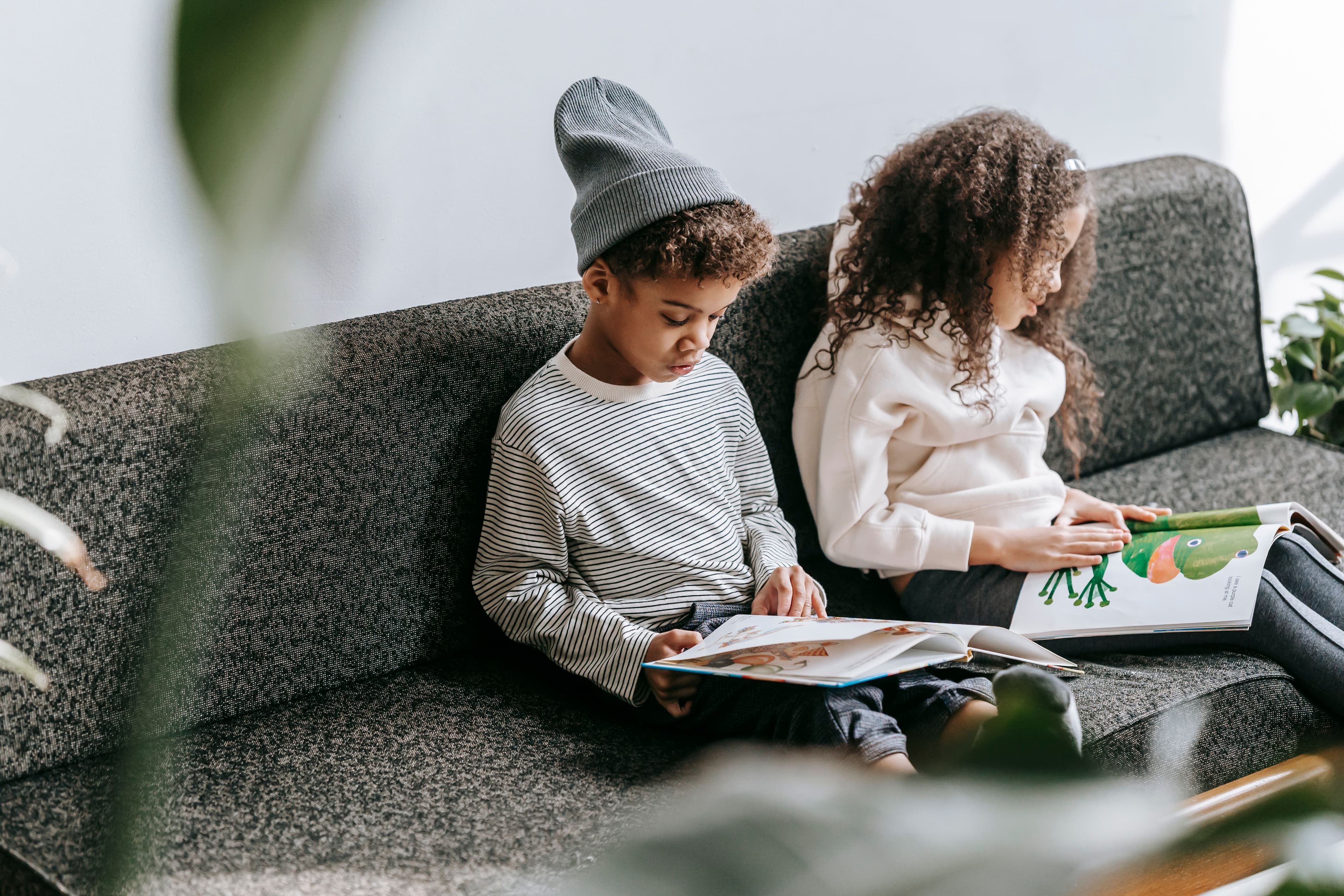
In a standard story, a child reads about someone else's adventure. They might empathise, they might enjoy it — but there's always a degree of distance. When the child is the character, that distance collapses. The story isn't happening to someone else. It's happening to them.
This shift from observer to protagonist is significant. It builds the kind of emotional investment in reading that teachers spend years trying to create.
2. Reading becomes associated with positive identity
Children build their identities partly through the stories they're told and the stories they see themselves in. When a child regularly encounters books where people like them are heroes, adventurers, and problem-solvers, they begin to associate reading with a positive sense of self.
Conversely, children who never see themselves in books can consciously or not start to feel like stories aren't really for them. The research on this is especially pronounced for children from underrepresented cultural backgrounds, who often grow up with very limited representation in mainstream children's literature.
3. They develop genuine reading habits, not just compliance
There's a difference between a child who reads because they have to and a child who reads because they want to. Personalised books tend to generate the second kind of reader, because the child has experienced reading as something that delivers personal reward, not just education.
Parents who introduce personalised books early often report that their children start asking for more books unprompted. Not because they've been pushed, but because reading has become something they associate with themselves.
The Representation Dimension
For families from South Asian, Bangladeshi, and other underrepresented backgrounds, personalised books carry an additional layer of importance. It's not just about a name in a story. It's about seeing a child who looks like you, carries cultural markers you recognise, and lives in a world that reflects yours as the hero.
This is where most mainstream personalised book brands fall short. They personalise the name. They don't personalise the world the child lives in.
At Magical Wraps, personalisation goes deeper. Children don't just see their name on the cover, they see a character that reflects their appearance, their cultural context, and their world. That's a fundamentally different reading experience.
What Parents Can Do
Start with a personalised book as an entry point. If your child is reluctant to read, a personalised storybook can be the thing that cracks it open. Use it as an anchor once they have a positive reading experience, they're more open to other books.
Pair it with conversation. After reading, ask your child what it felt like to be in the story. What would they do differently? What comes next? This deepens the self-referential effect and builds critical thinking alongside reading enjoyment.
Make it a gift that keeps giving. A personalised book isn't just for one reading. Children who receive personalised books often return to them months or years later. The investment holds.
Choose depth over novelty. A book that only swaps in a name is a novelty. A book that weaves a child's identity, appearance, and details into a rich story is a reading experience with lasting impact.
The Bottom Line
Seeing their name in a story isn't just a nice touch. For many children, it's the moment reading stops being a task and starts being something they own.
The research supports it. The anecdotal evidence from parents supports it. And if you've ever watched a child's face when they realise they're the one in the book you'll understand why it works.
Reading confidence isn't built in a classroom. It's built in the small moments when a child decides that stories are for them.
Give your child a story that's truly theirs. Explore Magical Wraps →
More from the Blog
The Best Personalised Books for Kids in 2026 (That They'll Actually Want to Read)
Jun 5, 2026 · 7 min read
Personalised Birthday Gifts for Kids That Aren't Toys (2026 Guide)
May 5, 2026 · 5 min read
How to Choose a Personalised Storybook for Your Child's Age (0–8 Guide)
Apr 18, 2026 · 8 min read




0 Comments